
ABC Dental Center
General Dentist
505 W 20th St Merced, CA 95340
4.0 · 41 Google Maps reviews
Merced, CA · Dental issue
TMJ, grinding, or a dental cause? What to do in Merced.
Now serving
Atwater · Livingston · Los Banos · Planada · Winton · Chowchilla · Turlock
Get MatchedPhoto: Caroline LM / Unsplash
Jaw Pain in Merced
Ranked by how closely the practice type matches this topic. Always confirm they handle your specific situation before you book.
Showing 1–6 of 6 matching practices
General Dentist
505 W 20th St Merced, CA 95340
4.0 · 41 Google Maps reviews
General Dentist
3381 G St Merced, CA 95340
4.4 · 22 Google Maps reviews
Dentist
Merced, CA
4.5 · 242 Google Maps reviews
Dentist
Merced, CA
4.9 · 204 Google Maps reviews
Pediatric Dentist
1168 OLIVEWOOD DR Merced, CA 95348
5.0 · 262 Google Maps reviews
700 W Olive Ave Merced, CA 95348
5.0 · 1 Google Maps reviews
Jaw pain can come from a few different places: TMJ issues (the jaw joint and the muscles around it), nighttime grinding, a tooth problem referring pain to the jaw, or even an infection. In Merced, a dental exam is usually the right first step to figure out which.
Central Valley Dentists helps Merced patients find a dentist or oral surgeon for a jaw pain evaluation.
A lot of jaw pain traces back to the temporomandibular joint (TMJ) — the hinge that connects your jaw to your skull and lets you chew and talk. When that joint and the muscles around it are under strain, you can get pain, clicking, tenderness, or even a jaw that catches or locks. It's common, and it's often tied to everyday things like stress, teeth grinding, arthritis, or an old injury.
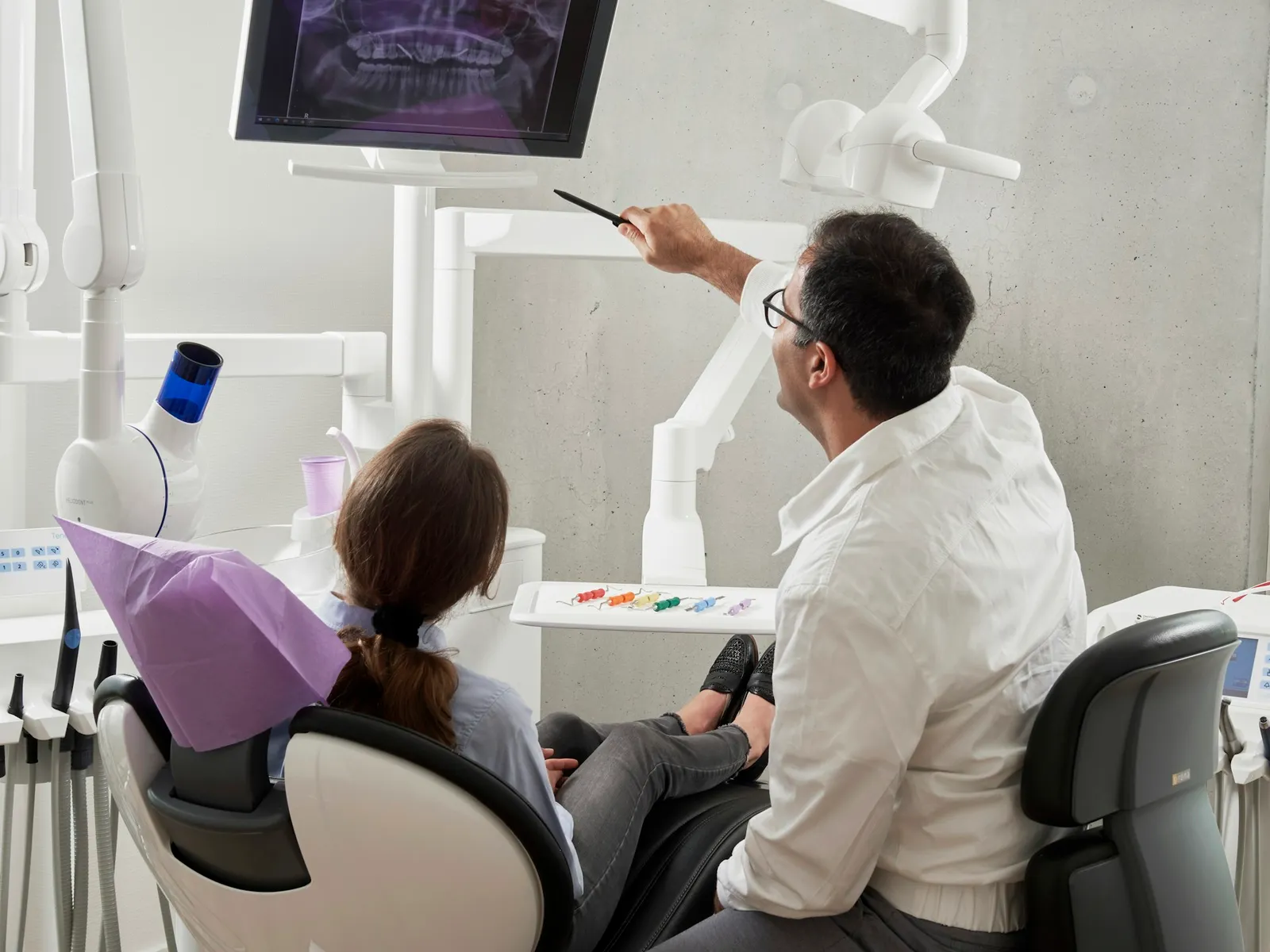
A persistent dull ache is frequently a sign of grinding or clenching, or early joint irritation. Because the same area can be affected by tooth problems, a dentist can take an X-ray to rule out a cracked tooth or infection before treating it as TMJ. If the ache comes with limited jaw opening, locking, or pain that radiates to the ear, that's worth a professional evaluation rather than waiting it out.
For most jaw pain, a general dentist is the right first stop — especially when grinding, clenching, or a bite issue is involved. They can evaluate the joint, check your teeth, and fit a night guard if needed. For more complex or persistent cases — significant joint damage, locking, or a possible structural problem — an oral surgeon in Merced has the training to assess and, when necessary, treat surgically.
While you arrange care, a few things can take the edge off:
For pain relief while you wait for an appointment, ask the dental office or a pharmacist what over-the-counter option is safe for your situation — Central Valley Dentists doesn't provide medical advice or recommend doses.
A great deal of jaw pain comes down to bruxism — grinding or clenching you may not even notice, day or night. Telltale signs include worn or sensitive teeth, morning headaches, and jaw tightness. A custom night guard from your dentist protects your teeth and takes pressure off the joint, and addressing the underlying stress helps prevent long-term damage.
Merced has a range of options for jaw and dental concerns. For non-emergency evaluation, a local dental office is the place to start. If jaw pain follows a serious facial injury, or comes with swelling that's spreading or trouble breathing or swallowing, that's an ER situation — Mercy Medical Center Merced handles emergencies like that. Being close to Highway 99 makes most of these services easy to reach from Atwater, Turlock, and the surrounding communities.
If jaw pain is sticking around, don't push through it indefinitely — the longer grinding or joint strain goes unaddressed, the more damage it can do. Request a referral and we'll connect you with the right professional in Merced.
Nearby cities
Patients also search for this kind of care in nearby Central Valley communities.
FAQ
Ready when you are
Answer a few questions, compare matching offices, and choose where your request goes.